


Understanding the psychology of casino players Insights into behavior and decision-making
The Allure of Casinos
Casinos have long been a source of fascination for many individuals, drawing them in with the promise of excitement, entertainment, and the potential for financial gain. This allure is often bolstered by the sensory experiences that casinos provide—vivid lights, engaging sounds, and the palpable thrill of risk. For many players, these elements create an environment that is hard to resist, making the decision to indulge in best new casinos feel almost instinctual.
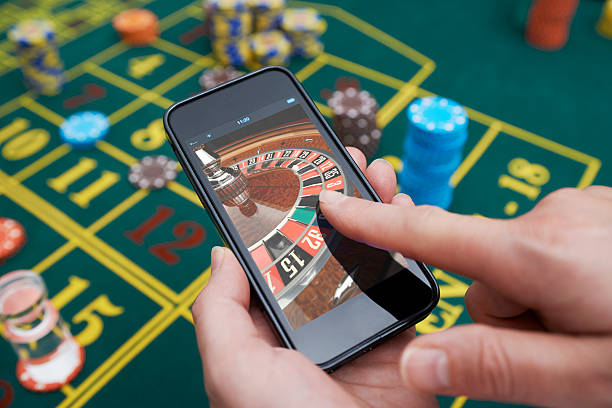
The psychology behind this attraction is rooted in several factors, including the dopamine release associated with winning. When players experience a win, their brains respond with a rush of pleasure, which can reinforce gambling behavior. This immediate gratification can create a cycle of play that is difficult to break, particularly for those predisposed to addictive behaviors.
The Decision-Making Process
Understanding how casino players make decisions involves exploring the cognitive biases that affect their choices. Many players overestimate their chances of winning, often influenced by the gambler’s fallacy, which is the belief that past events can affect future outcomes in random games. This skewed perception can lead to prolonged gambling sessions as players continue to chase losses or anticipate a win based on previous experience.
Moreover, many players employ various strategies in an attempt to maximize their winnings. Some may rely on superstitions or personal rituals, believing that these practices can influence luck. However, the inherent randomness of casino games often undermines these strategies, leaving players vulnerable to disappointment and financial loss.
The Role of Emotions
Emotions play a critical role in the behavior of casino players. The thrill of winning can be intoxicating, while the despair of losing can lead to a desire to gamble more in hopes of recouping losses. This emotional rollercoaster can create a powerful drive to continue gambling, despite the potential consequences. Players often find themselves trapped in a cycle of highs and lows, making it challenging to step away.
Additionally, social factors can influence emotional responses in casinos. Peer pressure, competitive environments, and even the presence of supportive friends can amplify the excitement of gambling. Players may be more likely to take risks when they feel a sense of camaraderie or when surrounded by others who share their enthusiasm for gaming.
The Impact of Responsible Gambling
As awareness of gambling addiction increases, so does the emphasis on responsible gambling practices. Casinos have a responsibility to provide tools that help players manage their behavior and make informed decisions. This includes offering self-exclusion options, deposit limits, and educational resources about the risks of gambling.
Responsible gambling initiatives are essential for minimizing harm and supporting players who may be struggling with addiction. By fostering a culture of awareness and encouraging open discussions about gambling behavior, casinos can create a safer environment for all players, allowing them to enjoy gaming without compromising their well-being.

Enhancing Your Online Gaming Experience
For players interested in exploring new online casinos, the right resources can significantly enhance their gaming experience. Websites dedicated to reviewing casinos can provide insights into the latest offerings, game selections, and available bonuses. These platforms often emphasize player support and responsible gambling measures, ensuring that users can enjoy a fun and secure environment.
Whether you are a seasoned gambler or new to the scene, finding a trusted online casino can make a world of difference. By taking the time to research options and understand the psychology of gambling, players can make informed choices that lead to a more enjoyable and responsible gaming journey.